LED Potting & Encapsulation
Silicone potting compounds protect LED assemblies from moisture, dust, thermal shock and vibration. From IP67 encapsulation of outdoor luminaires to thermal-gap-filling under power LEDs — we supply custom-formulated compounds and provide in-house potting/encapsulation services on molded silicone parts.
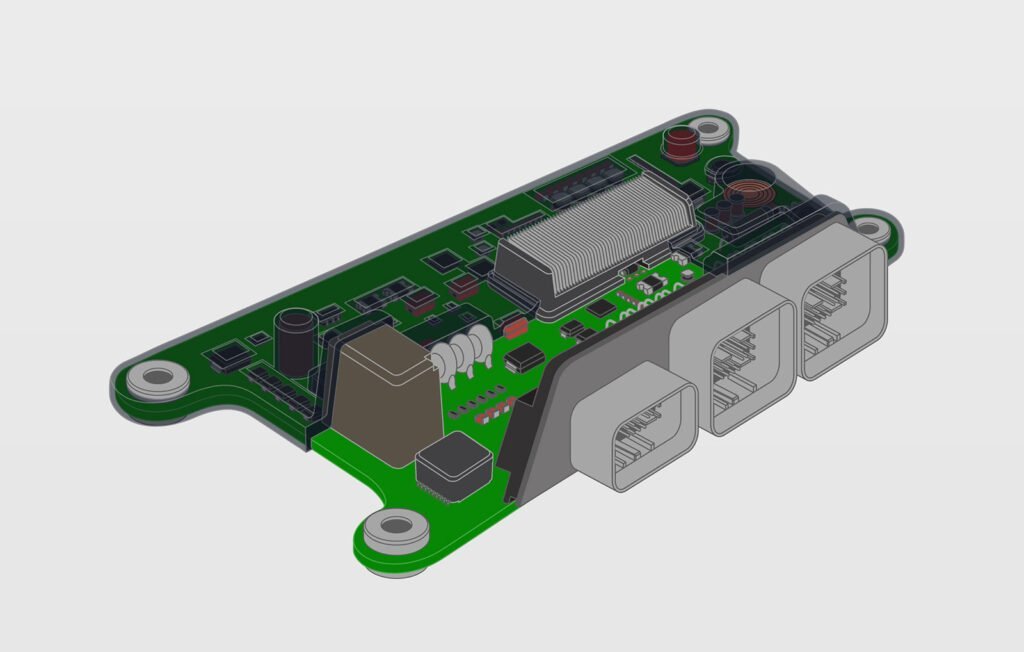
Built for the Life of the Luminaire
- Operates -60°C to +200°C — survives LED junction heat without cracking
- UV stable — no yellowing in outdoor/solar-exposed luminaires
- Low stress — soft gels absorb CTE mismatch between PCB and housing
- Hydrophobic — long-term moisture barrier without desiccant
- Dielectric strength 18-25 kV/mm for driver and power-board encapsulation
Capability
Compound Specifications
| Form Types | Gel · Soft elastomer (10-40 Shore A) · Rigid elastomer (40-60 Shore A) |
|---|---|
| Color | Optically clear, no tint — LED potting is transparent by design (clarity for light output) |
| Thermal Conductivity | Standard 0.2 W/m·K; filled grades 0.8-1.5 W/m·K |
| Dielectric Strength | 18 – 25 kV/mm |
| Service Temperature | -60°C to +200°C continuous |
| IP Rating Achieved | IP67 / IP68 (with proper enclosure design) |
| Curing | Addition-cure (platinum): heat or RTV options |
| Compliance | UL 94 V-0 grades · RoHS · REACH |
Material Selection
Epoxy vs Phenyl Silicone — Two Systems We Run.
Both are optically clear potting systems. The right choice depends on thermal, UV and mechanical stress — we help you pick based on your luminaire’s real working conditions.
Potting Equipment & Process Difficulties.
- Vacuum degassing is mandatory — micro-bubbles scatter light and kill IP rating
- Mix-ratio drift on two-component systems ruins cure; we run metered dispensing with ratio monitoring
- Phenyl silicone is moisture- and poison-sensitive (sulfur/amine contact inhibits platinum cure) — surfaces must be controlled
- Cure profile (ramp/soak) tuned per part volume to avoid exotherm stress on LED dies
We Pot What We Mold — One Factory.
Because we mold the silicone housings, lenses and gaskets ourselves, we understand how the potting compound interacts with the enclosure material — adhesion, thermal path and long-term sealing. Years of potting work on LED luminaires and electronic assemblies give us practical answers on material selection, bubble control and reliability testing, not just datasheet talk.
- Street / flood / tunnel light potting for outdoor IP67-68 programs
- Automotive LED module encapsulation under thermal cycling
- Material + process + testing under one roof — no finger-pointing between suppliers
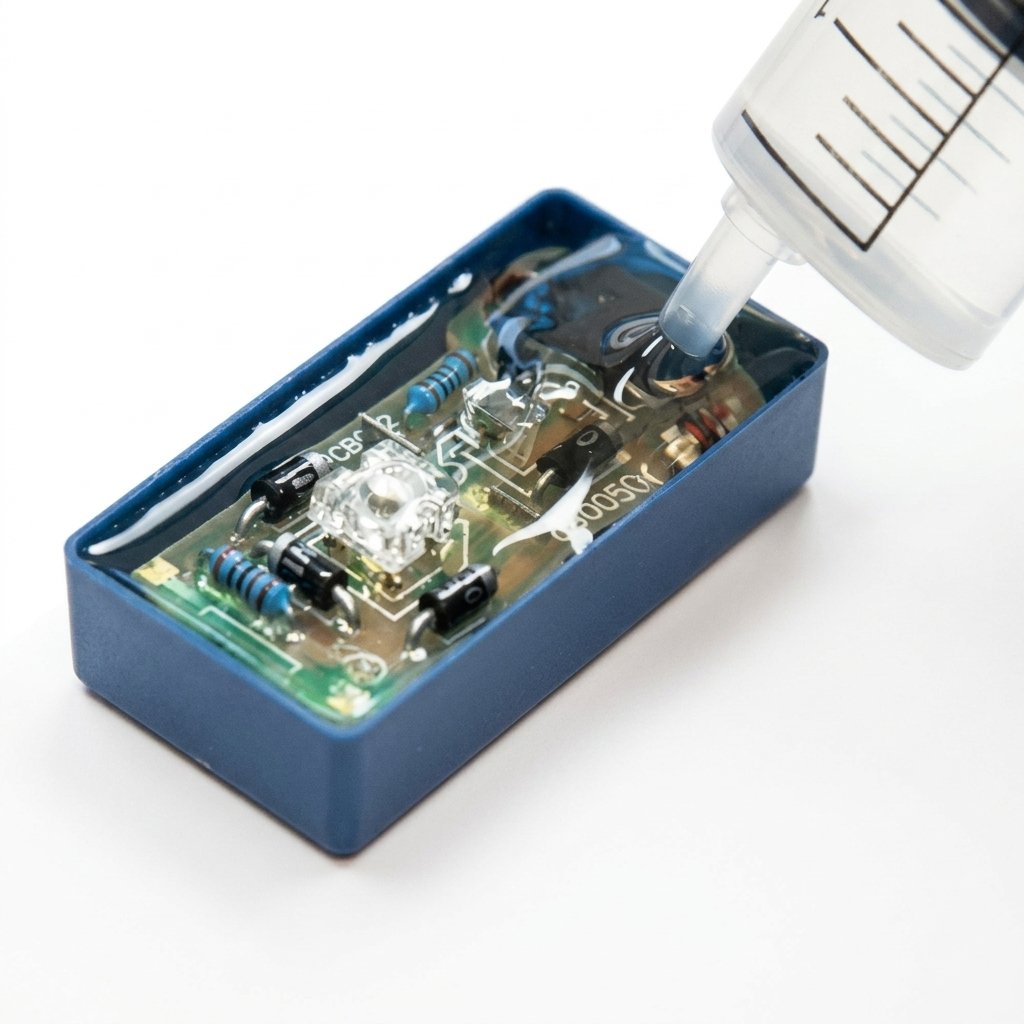
From Compound to Finished Unit
- Custom compound formulation matched to your thermal/IP requirements
- In-house potting on our molded silicone housings and gaskets
- Vacuum degassing for zero-bubble encapsulation
- Thermal conductivity testing and dielectric testing reports
- From prototype (manual) to mass production (automated dispensing)
Applications
Where LED Potting Is Used
Gallery
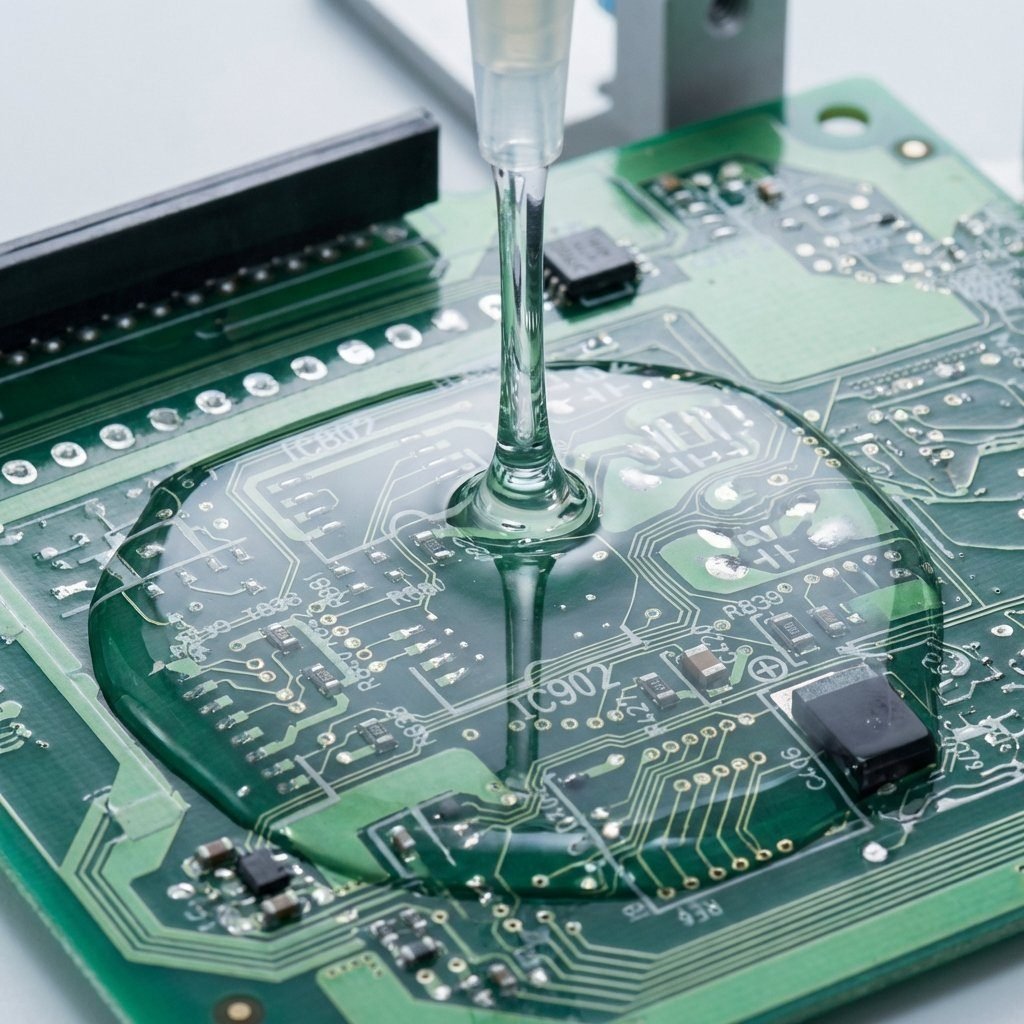
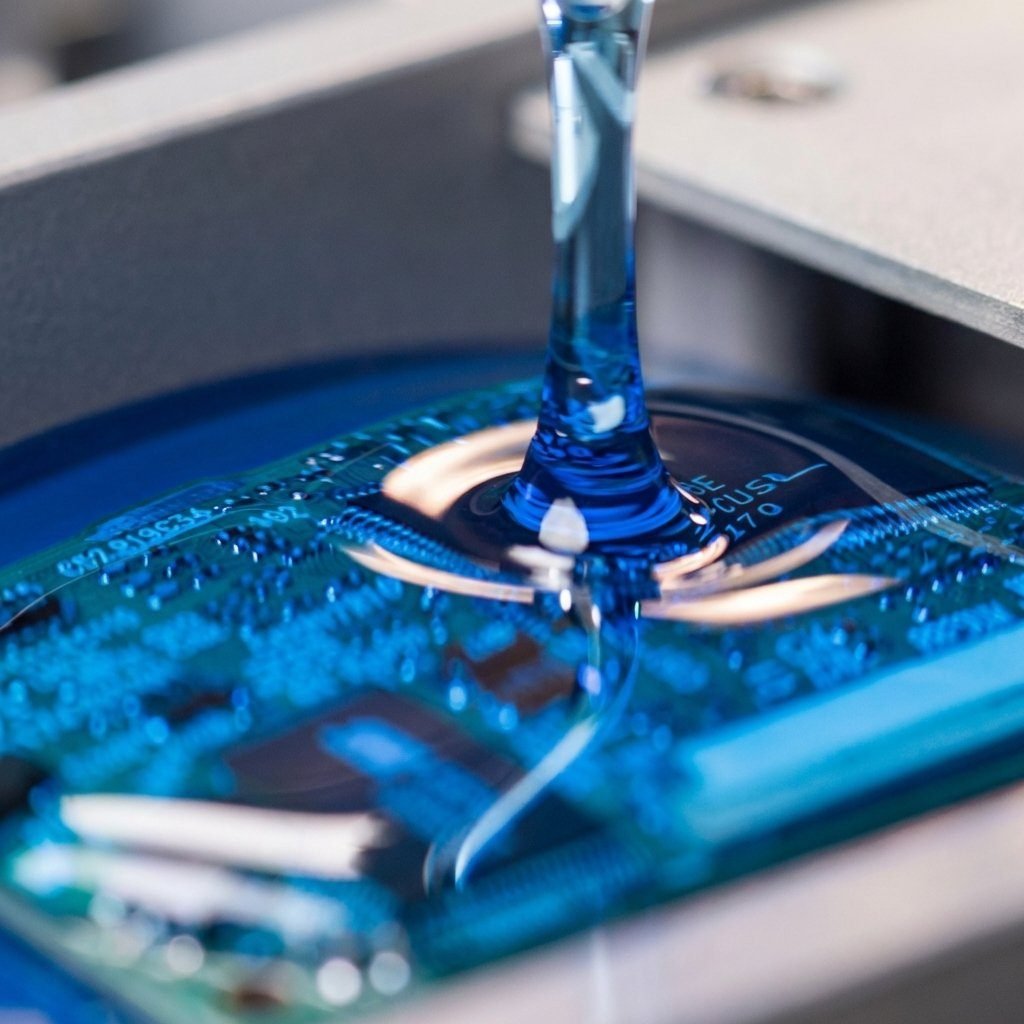
Potting & Encapsulation Work
FAQ
Frequently Asked Questions
Why pot LEDs with silicone instead of epoxy?
Epoxy yellows within months under LED heat and UV, then cracks from thermal cycling. Silicone stays transparent at 200°C, absorbs CTE stress, and keeps IP sealing for the luminaire’s lifetime — the industry standard for outdoor and automotive LED.
Which hardness do I need?
Gel (Shore 00) for stress-sensitive COB and chip-on-board; 10-30 Shore A for most encapsulation; 40-60 Shore A where mechanical protection or rework resistance is needed.
Can you achieve IP67/IP68?
Yes — with correct enclosure design, potting, and our molded silicone seals/gaskets, we routinely hit IP67/IP68. We review your housing design at DFM stage.
Do you pot third-party assemblies or only your own molded parts?
Both. We can pot your supplied assemblies, or deliver fully integrated molded-housing-plus-potted-electronics units.
How do you control bubbles?
Vacuum degassing before cure plus controlled dispensing; each batch gets a visual/section inspection for voids.
What thermal conductivity options exist?
Standard potting 0.2 W/m·K; ceramic-filled grades to 0.8-1.5 W/m·K for high-power LEDs. Specify your wattage and we recommend the grade.
Ready to Start?
Send Your Luminaire Design. Get a Potting Spec in 24 Hours.
Tell us the LED wattage, IP target and operating environment — we recommend compound hardness, thermal grade and sealing approach.